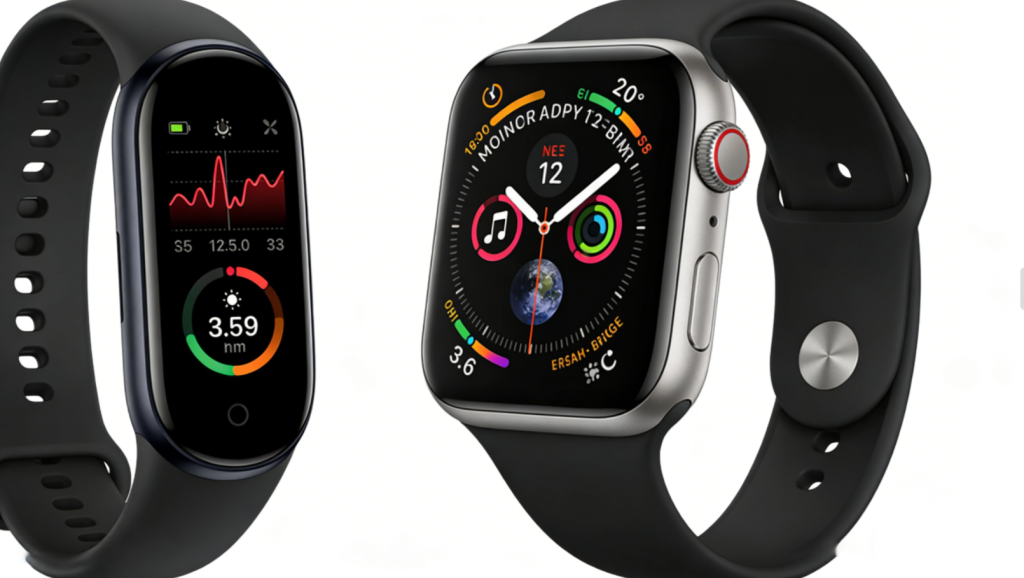
The global wearable technology market is valued at $231.6 billion in 2026, with wrist-based devices (smart watches + fitness trackers) accounting for 65% of total shipments—smart watches dominate with 37% market share, while fitness trackers hold 28% (Industry Research, 2026)[superscript:8)]. A key trend: 92% of smart watch users and 64% of fitness tracker users prioritize health and fitness tracking as their primary use case (DemandSage, 2026)[superscript:2)]. But with overlapping features and 2026 innovations like AI-powered recovery insights, FDA-cleared health tools, and multi-week battery life, choosing between the two has never been more nuanced.
Fitness trackers excel at focused health monitoring and long battery life, ideal for minimalists and casual users. Smart watches, by contrast, offer versatility—blending advanced fitness tracking with smartphone-like features (notifications, apps, payments) for power users. Whether you’re a daily walker, a marathon trainer, or someone managing chronic health goals, this guide breaks down the critical differences, 2026’s top models, and how to pick the device that aligns with your lifestyle—without overpaying for unnecessary features.
I. Core Differences: Fitness Trackers vs. Smart Watches 🎯
1. Primary Function & Use Case
| Category | Fitness Trackers | Smart Watches |
| Core Purpose | Focused health/fitness monitoring (steps, heart rate, sleep) | Hybrid: Advanced fitness tracking + smart features (notifications, apps, payments) |
| Target User | Casual users, minimalists, budget shoppers, seniors | Power users, fitness enthusiasts, tech adopters, ecosystem loyalists (Apple/Android) |
| Key Strengths | Ultra-long battery life (1-4 weeks), lightweight, affordable, low learning curve | Versatility, advanced sensors (ECG, GPS), app integration, multi-tasking |
| Key Limitations | Basic smart features (limited notifications), no third-party apps | Shorter battery life (1-7 days), bulkier, higher price point |
2. Health & Fitness Features (2026 Innovations)
Fitness Trackers: Focused & Reliable
- Core Metrics: Steps, distance, calories, 24/7 heart rate, sleep stages (Light/Deep/REM), SpO2 (blood oxygen).
- 2026 Additions: Basic recovery score (e.g., Amazfit Active Max’s Peak Beats system), 50+ sports modes (auto-recognition for walking/running/swimming), and low-power stress monitoring (Industry Research, 2026)[superscript:4superscript:8)].
- Regulatory Compliance: Most fall under FDA’s “General Wellness” low-risk category (2026 Guidelines), meaning they track health data for reference without medical claims[superscript:6)].
- Battery Life: 7-30 days of use (no charging required for weekly workouts)[superscript:4)].
Smart Watches: Advanced & Comprehensive
- Core Metrics: All fitness tracker features + advanced tools like ECG (heart rhythm analysis), skin temperature tracking, VO2 max estimation, and menstrual cycle monitoring.
- 2026 Additions: FDA-cleared health integrations (e.g., Garmin Venu 4’s Natural Cycles fertility tracking)[superscript:1)], AI-powered workout form analysis, satellite SOS (Google Pixel Watch 4)[superscript:5)], and chronic health insights (e.g., blood pressure trends for hypertension management)[superscript:6)].
- Regulatory Compliance: Premium models may include FDA Class II medical device features (e.g., ECG for AFib detection) when meeting strict safety standards[superscript:1superscript:6)].
- Battery Life: 1-7 days (flagship models like Amazfit Active Max push to 25 days with limited smart features)[superscript:4)].
3. Design & Usability
- Fitness Trackers:
- Form Factor: Slim bands (screenless or small OLED displays), lightweight (15-30g), waterproof (IP67+).
- Usability: Simple interfaces (1-2 buttons), easy-to-read stats, minimal setup.
- Smart Watches:
- Form Factor: Larger displays (1.2-1.5 inches, AMOLED), stainless steel/aluminum cases, more customizable (watch faces, bands).
- Usability: Touchscreen + buttons, complex interfaces (apps, widgets), ecosystem integration (e.g., Apple Watch + iPhone sync)[superscript:5)].
4. Battery Life & Charging (2026 Standouts)
- Fitness Trackers:
- Top Models: Amazfit Active Max (25 days), Fitbit Inspire 3 (14 days), Garmin Vivofit Jr. 4 (30 days for kids)[superscript:4superscript:7)].
- Charging: USB-C (30 mins = 50% charge), no daily charging needed.
- Smart Watches:
- Top Models: OnePlus Watch 3 (7 days), Moto Watch (2026) (13 days with raise-to-wake), Apple Watch Series 11 (3 days with low-power mode)[superscript:4superscript:5)].
- Charging: Wireless (Qi) or fast USB-C (15 mins = 24 hours of use for OnePlus Watch 3)[superscript:5)].
II. Top 2026 Models: Fitness Trackers 🏆
1. Amazfit Active Max (Best Overall) ⭐
- Specs: 1.5-inch 3000-nit AMOLED display, BioTracker PPG sensor, 25-day battery (64 hours with GPS), 170+ sports modes, dual-band GPS, IP68 waterproof.
- Health Features: 24/7 heart rate, SpO2, stress monitoring, sleep score, Peak Beats recovery insights, VO2 max estimation.
- Smart Features: Basic notifications (calls, texts), Strava/Adidas Running integration, music control.
- Price: $199.99.
- Pros: Industry-leading battery life, premium display, accurate GPS, great value.
- Cons: Limited smart features (no third-party apps).
- Best For: Casual fitness users, hikers, and anyone who hates frequent charging.
2. Fitbit Inspire 3 (Best Value) 💰
- Specs: 1.04-inch OLED display, 14-day battery, 20+ sports modes, IP68 waterproof, lightweight (20g).
- Health Features: 24/7 heart rate, sleep stages, SpO2, Active Zone Minutes, stress management.
- Smart Features: Call/text/app notifications, Fitbit Premium integration (workout plans).
- Price: $99.99.
- Pros: Affordable, slim design, user-friendly app, great for beginners.
- Cons: No GPS (relies on phone), basic sports modes.
- Best For: Budget shoppers, seniors, and casual walkers/runners.
3. Garmin Vivofit Jr. 4 (Best for Kids/Families) 🧒
- Specs: 30-day battery, durable silicone band, water-resistant (50m), fun character designs.
- Health Features: Step tracking, sleep monitoring, activity goals, reminder alerts.
- Smart Features: Parent app monitoring, chore tracking, reward system.
- Price: $79.99.
- Pros: No charging needed, kid-proof, educational features.
- Cons: Limited health metrics.
- Best For: Kids aged 4-12 and families prioritizing activity tracking.
III. Top 2026 Models: Smart Watches 🏆
1. Apple Watch Series 11 (Best for iPhone Users) 🍎
- Specs: 1.9-inch Always-On OLED display, S11 SiP chip, 3-day battery (low-power mode), dual-band GPS, IP68 waterproof, ECG sensor.
- Health Features: FDA-cleared AFib detection, blood oxygen tracking, sleep stages, cycle tracking, AI workout analysis.
- Smart Features: iPhone notifications, Apple Pay, App Store access (Procreate, Strava), satellite SOS, voice assistant (Siri).
- Price: $399.99.
- Pros: Seamless Apple ecosystem integration, accurate health sensors, premium build.
- Cons: iOS-only, shorter battery life than trackers.
- Best For: iPhone users, fitness enthusiasts, and those wanting medical-grade health tools.
2. Google Pixel Watch 4 (Best for Android Users) 📱
- Specs: 1.4-inch Actua 360 AMOLED display, Tensor G4 chip, 5-day battery, dual-band GPS, IP68 waterproof, Fitbit-sourced sensors.
- Health Features: 24/7 heart rate, SpO2, sleep tracking, recovery score, 100+ sports modes.
- Smart Features: Android notifications, Google Pay, Wear OS 5, satellite SOS, Gemini AI integration.
- Price: $349.99.
- Pros: Top-tier heart rate accuracy, repairable design, Google ecosystem synergy.
- Cons: GPS accuracy could improve, Fitbit Premium paywall for some features[superscript:5)].
- Best For: Android users, casual to intermediate fitness enthusiasts, and privacy-focused shoppers.
3. Garmin Venu 4 (Best for Fitness Enthusiasts) 💪
- Specs: 1.3-inch AMOLED display, 10-day battery, dual-band GPS, IP68 waterproof, ECG sensor, skin temperature tracker.
- Health Features: FDA-cleared Natural Cycles fertility tracking[superscript:1)], VO2 max estimation, training load analysis, sleep recovery, stress monitoring.
- Smart Features: Smartphone notifications, Garmin Connect app, music storage (500+ songs), contactless payments.
- Price: $499.99.
- Pros: Industry-leading fitness insights, long battery for a smart watch, durable design.
- Cons: Limited third-party apps, bulkier than fashion-focused models.
- Best For: Runners, cyclists, triathletes, and users prioritizing advanced training data.
4. OnePlus Watch 3 (Best Battery Life) ⚡
- Specs: 1.4-inch AMOLED display, 7-day battery (14 days with basic mode), 65W fast charging, dual-band GPS, IP68 waterproof.
- Health Features: 24/7 heart rate, SpO2, sleep tracking, 150+ sports modes, blood pressure trends.
- Smart Features: Android notifications, OnePlus Pay, music control, voice assistant.
- Price: $299.99.
- Pros: Unbeatable battery life for a smart watch, fast charging, affordable.
- Cons: Limited ecosystem integration (best with OnePlus phones).
- Best For: Battery-life fanatics, budget-conscious power users, and Android loyalists.
IV. Recommendations by Health Goal 🎭
1. Casual Health Monitoring (Steps, Sleep, Heart Rate) 🚶
- Top Pick: Fitbit Inspire 3 (Fitness Tracker)
- Why: 14-day battery, user-friendly app, and essential health metrics at an affordable price. Perfect for seniors or anyone new to wearables.
2. Weight Management & Daily Activity 📊
- Top Pick: Amazfit Active Max (Fitness Tracker) + Google Pixel Watch 4 (Smart Watch)
- Why: Amazfit’s long battery suits daily tracking; Pixel Watch adds app integration (e.g., calorie-counting apps) and notifications for accountability.
3. Advanced Fitness Training (Running, Cycling, Triathlons) 🏃♂️🚴♂️
- Top Pick: Garmin Venu 4 (Smart Watch)
- Why: FDA-cleared health tools, AI training load analysis, and dual-band GPS—built for serious athletes who need actionable insights.
4. Chronic Health Management (Hypertension, AFib) 🏥
- Top Pick: Apple Watch Series 11 (Smart Watch)
- Why: Medical-grade sensors (ECG, blood pressure trends) and FDA clearance for AFib detection—compliant with 2026’s low-risk medical device guidelines[superscript:6)].
5. Family/ Kid Activity Tracking 🧑👩👧👦
- Top Pick: Garmin Vivofit Jr. 4 (Fitness Tracker) + Apple Watch Series 11 (Parent)
- Why: Vivofit Jr. 4’s 30-day battery and chore tracking work for kids; Apple Watch’s family sharing lets parents monitor activity remotely.
V. How to Choose the Right Device 🛒
1. Define Your Non-Negotiable Features
- If You Want: Long battery life (no weekly charging) + basic health tracking → Fitness Tracker (Amazfit Active Max, Fitbit Inspire 3).
- If You Want: Advanced fitness data + smart features (notifications, apps) → Smart Watch (Garmin Venu 4, Apple Watch Series 11).
- If You Want: Medical-grade health tools (ECG, fertility tracking) → Smart Watch (must have FDA clearance[superscript:1superscript:6)]).
2. Consider Your Ecosystem
- iPhone Users: Apple Watch Series 11 (seamless sync with iOS, Apple Health).
- Android Users: Google Pixel Watch 4 or OnePlus Watch 3 (Wear OS integration).
- Cross-Platform: Garmin Venu 4 (works with iOS/Android, no ecosystem lock-in).
3. Budget Wisely
- Entry-Level (50−150): Fitness Trackers (Fitbit Inspire 3, Garmin Vivofit Jr. 4) → Best value for casual use.
- Mid-Range (150−300): Fitness Trackers (Amazfit Active Max) or Budget Smart Watches (OnePlus Watch 3) → Balanced features and price.
- Premium ($300+): Smart Watches (Apple Watch Series 11, Garmin Venu 4) → Advanced sensors and ecosystem integration.
4. Test Comfort & Usability
- Fitness Trackers: Prioritize lightweight designs (under 30g) for all-day wear.
- Smart Watches: Try on models to avoid bulk—look for 40-45mm cases for most wrists.
- Ease of Use: Seniors or tech novices should opt for fitness trackers (simpler interfaces).
5. Check Battery Life vs. Usage
- Daily Charging Tolerance: If you hate charging, choose a fitness tracker (1-4 weeks).
- Smart Feature Usage: If you need constant notifications/apps, a smart watch (1-7 days) is worth the daily/weekly charge.
Conclusion
2026’s wearable market offers clear choices: fitness trackers for focused, low-maintenance health monitoring and smart watches for versatile, feature-rich lifestyles. The key is to avoid “feature creep”—don’t pay for a
400smartwatchifyouonlyneedstepandsleeptracking(a100 fitness tracker will suffice). Conversely, if you want to replace your phone for workouts and stay connected, a smart watch’s versatility justifies the higher price.
For most users, the decision boils down to battery life and smart features: fitness trackers win on longevity, while smart watches win on utility. Serious athletes and those with chronic health goals should lean into smart watches with FDA-cleared sensors (Apple Watch Series 11, Garmin Venu 4). Casual users and minimalists will thrive with a fitness tracker like the Amazfit Active Max or Fitbit Inspire 3.
Ultimately, the best device is the one you’ll wear consistently. Both fitness trackers and smart watches have evolved to deliver actionable health insights—choose the one that fits your habits, budget, and goals, and let 2026’s AI-powered tools guide you toward better wellness.
About the Author