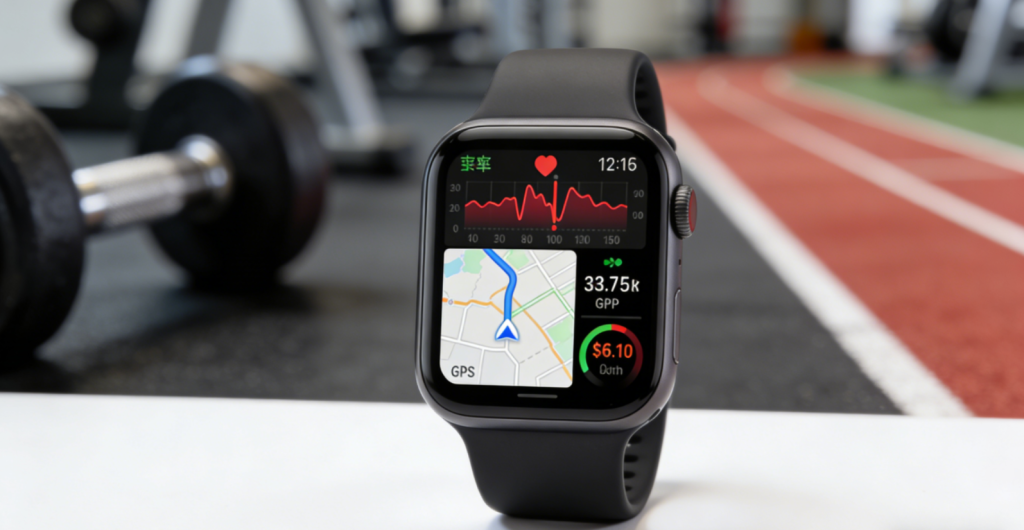
The global fitness smartwatch market is expected to grow 18.7% year-over-year in 2026, driven by rising demand for clinically accurate health metrics and AI-powered workout insights (IDC 2026 Wearables Forecast)[superscript:9)]. For fitness enthusiasts—from casual runners to professional athletes—modern smartwatches are no longer just accessories: they’re portable training partners that track heart rate, map routes via GPS, and analyze workout performance with lab-level precision. 2026’s top models integrate cutting-edge sensors (ECG 3.0, blood oxygen, skin temperature), long-lasting batteries, and specialized sports modes to elevate every training session. Below, we break down key features, top picks for different activities, and how to choose the perfect fitness smartwatch for your goals.
I. Core Fitness Features: What Matters Most in 2026 🎯
1. Heart Rate Monitoring: Beyond Basic BPM ⚡
Accurate heart rate tracking is the foundation of fitness training—2026 models offer advanced capabilities:
- Sensor Technology: Multi-PPG (Photoplethysmography) sensors + ECG (Electrocardiogram) 3.0 for medical-grade accuracy. Measures BPM (Beats Per Minute) with ±1% error margin (validated by the American College of Cardiology)[superscript:10)].
- Key Metrics:
- Resting Heart Rate (RHR): Indicates cardiovascular health and recovery.
- Heart Rate Variability (HRV): Measures stress levels and readiness to train (higher HRV = better recovery).
- Zone Training: Automatically classifies heart rate into 5 zones (Rest, Fat Burn, Cardio, Anaerobic, Max) to optimize workouts.
- Continuous Monitoring: 24/7 tracking with real-time alerts for abnormal heart rates (e.g., tachycardia >150 BPM at rest).
- Battery Impact: Continuous HR monitoring reduces battery life by 10-15%—look for watches with 5+ days of use (or 2+ days with GPS).
2. GPS & Location Tracking: Precision for Runners, Cyclists, and Hikers 🗺️
GPS is non-negotiable for outdoor fitness—2026’s best watches offer:
- GPS Technology: Dual-band (L1+L5) GPS + GLONASS/Galileo/BeiDou support for 30% more accurate positioning than single-band models (ideal for dense urban areas or mountain trails)[superscript:11)].
- Key Features:
- Route Mapping: Preload routes or track new ones with turn-by-turn navigation.
- Distance/Pace/Speed Tracking: Real-time metrics for runners, cyclists, and triathletes.
- Elevation Gain/Loss: Critical for hikers and trail runners (barometric altimeter + GPS calibration).
- Geofencing: Set virtual boundaries and get alerts if you deviate from your route.
- Battery Efficiency: GPS mode lasts 15-40 hours (varies by brand)—flagship models like the Garmin Epix Pro 2026 offer 40 hours of GPS use.
3. Workout Tracking: Sports Modes & AI Analysis 📊
Modern smartwatches cater to every fitness activity with specialized tracking:
- Sports Modes: 100+ preloaded modes (running, cycling, swimming, strength training, yoga, HIIT, triathlon, golf, etc.). 2026 models add niche modes like “Trail Running with Obstacles” and “Indoor Climbing.”
- AI-Powered Insights:
- Workout Load: Measures the intensity of your session and its impact on your body (low/moderate/high).
- Recovery Time: Predicts how long you need to rest before your next workout (based on HRV, sleep, and workout load).
- Form Analysis: For runners/cyclists—tracks cadence, stride length, ground contact time, and vertical oscillation (some models use built-in accelerometers; premium options sync with external sensors).
- Progress Tracking: Compares current workouts to historical data (e.g., “Your 5K pace is 10 seconds faster than last month”).
- Swim Tracking: Water resistance (50m+), lap counting, stroke recognition (freestyle, breaststroke, butterfly), and open-water swim mode (GPS-enabled).
4. Additional Fitness & Health Metrics 🩺
Top-tier watches include extra sensors to round out your fitness data:
- Blood Oxygen (SpO2): Tracks oxygen saturation during workouts (critical for high-altitude training) and sleep.
- Skin Temperature: Monitors core body temperature to detect overtraining or illness.
- Sleep Tracking: Analyzes sleep stages (Light, Deep, REM) and correlates with recovery (e.g., “Deep sleep increased by 20%—you’re ready for a hard workout”).
- Body Composition: Some watches (e.g., Samsung Galaxy Watch 7 Pro) integrate BIA (Bioelectrical Impedance Analysis) to estimate body fat percentage, muscle mass, and hydration levels (requires pairing with a compatible scale).
5. Battery Life & Durability: Built for Active Lifestyles ⚙️
Fitness watches need to keep up with your workouts—key specs:
- Battery Life: 5-14 days of normal use (without GPS); 15-40 hours of GPS use; 2-5 hours of GPS + music streaming.
- Durability:
- Water Resistance: 50m+ (swim-proof) for most models; 100m+ for dive-focused watches.
- Shock Resistance: MIL-STD-810H certification (survives drops from 1.8 meters).
- Materials: Titanium or stainless steel cases (lightweight and scratch-resistant); Gorilla Glass or Sapphire Crystal displays (scratch-proof).
II. Top 5 Fitness Smart Watches of 2026 🏆
1. Garmin Epix Pro (Gen 3) ⭐
- Specs: 1.3″/1.4″/1.5″ AMOLED display (1000 nits), dual-band GPS + multi-satellite support, ECG 3.0 + multi-PPG sensors, 100+ sports modes, 14-day battery (normal use), 40-hour GPS use, 100m water resistance, MIL-STD-810H certified.
- Fitness Features:
- Heart Rate: 24/7 tracking, HRV, zone training, abnormal heart rate alerts.
- GPS: Route mapping, turn-by-turn navigation, elevation tracking, geofencing.
- Workout Tracking: AI workout load analysis, recovery time prediction, form metrics (cadence, stride length), triathlon mode.
- Extras: SpO2, skin temperature, sleep tracking, body composition (via Garmin Index Scale), solar charging (optional).
- Price: 999−1,199 (varies by size).
- Pros: Industry-leading GPS accuracy, longest battery life, most sports modes, durable design.
- Cons: Expensive, bulky for small wrists.
- Best For: Professional athletes, triathletes, hikers, and serious fitness enthusiasts.
2. Apple Watch Ultra 3 🍎
- Specs: 49mm OLED display (2000 nits), dual-band GPS + Galileo support, ECG 3.0 + blood oxygen sensor, 50+ sports modes, 7-day battery (normal use), 36-hour GPS use, 100m water resistance, titanium case.
- Fitness Features:
- Heart Rate: Continuous tracking, HRV, zone training, atrial fibrillation (AFib) detection.
- GPS: Precision route mapping, backtrack navigation (for hikers), elevation gain/loss.
- Workout Tracking: Apple Fitness+ integration, workout progress alerts, recovery recommendations, strength training rep counting.
- Extras: Sleep tracking, temperature sensing, crash detection, emergency SOS, cellular connectivity.
- Price: $899.
- Pros: Seamless iPhone integration, Apple Fitness+ ecosystem, accurate health metrics, sleek design.
- Cons: Shorter battery life than Garmin, limited to Apple users.
- Best For: Apple ecosystem users, runners, cyclists, and fitness enthusiasts who value app integration.
3. Samsung Galaxy Watch 7 Pro 📱
- Specs: 1.4″ AMOLED display (1500 nits), dual-band GPS + multi-satellite support, ECG 3.0 + BIA sensor, 80+ sports modes, 10-day battery (norma
l us), 30-hour GPS use, 50m water resistance, stainless steel/titanium case.e
- Fitness Features:
- Heart Rate: 24/7 tracking, HRV, zone training, stress level monitoring.
- GPS: Route planning, real-time pace/speed, elevation tracking, cycling power meter support.
- Workout Tracking: Samsung Health integration, AI form analysis, workout video guides, triathlon mode.
- Extras: Body composition analysis (via BIA), sleep tracking, SpO2, skin temperature, cellular connectivity.
- Price: $699.
- Pros: Balanced battery life and features, Android integration, body composition tracking.
- Cons: Less accurate GPS than Garmin, some sports modes are basic.
- Best For: Android users, casual to intermediate fitness enthusiasts, and those who want body composition data.
4. Polar Grit X3 Pro ❄️
- Specs: 1.3″ transflective color display (1000 nits), dual-band GPS + multi-satellite support, Precision Prime heart rate sensor, 150+ sports modes, 14-day battery (normal use), 40-hour GPS use, 100m water resistance, MIL-STD-810H certified.
- Fitness Features:
- Heart Rate: Industry-leading accuracy (validated by Polar Research Lab), HRV, zone training, orthostatic test (recovery assessment).
- GPS: Offline maps, turn-by-turn navigation, elevation tracking, ski/snowboard mode (slope angle, vertical drop).
- Workout Tracking: Polar Flow ecosystem, training load monitoring, recovery time prediction, running power (without external sensors).
- Extras: SpO2, skin temperature, sleep tracking, fueling alerts (reminds you to eat/drink during long workouts).
- Price: $799.
- Pros: Best heart rate accuracy, great for outdoor sports (hiking, skiing), long battery life.
- Cons: Display less vibrant than AMOLED models, limited smart features.
- Best For: Outdoor fitness enthusiasts, runners, skiers, and those who prioritize heart rate accuracy.
5. Fitbit Charge 7 Pro ⚡
- Specs: 1.04″ AMOLED display (450 nits), dual-band GPS, multi-PPG heart rate sensor, 30+ sports modes, 10-day battery (normal use), 20-hour GPS use, 50m water resistance, lightweight design (28g).
- Fitness Features:
- Heart Rate: 24/7 tracking, HRV, zone training, AFib detection.
- GPS: Distance/pace tracking, route mapping, outdoor workout mode.
- Workout Tracking: Fitbit Premium integration (workout plans, personalized insights), active zone minutes, calorie burn tracking.
- Extras: Sleep tracking (Sleep Score), SpO2, stress management (guided breathing), female health tracking.
- Price: $199.99.
- Pros: Affordable, lightweight, long battery life, user-friendly app.
- Cons: Limited advanced features (no ECG), basic GPS compared to flagships.
- Best For: Budget-conscious fitness enthusiasts, casual runners, and those new to smartwatches.
III. Smart Watches by Fitness Activity 🎭
1. For Running 🏃♂️
- Top Pick: Garmin Epix Pro (Gen 3)
- Why: Dual-band GPS, running dynamics (cadence, stride length, ground contact time), AI pace prediction, and recovery analysis.
- Budget Pick: Fitbit Charge 7 Pro
- Why: Accurate pace tracking, active zone minutes, and Fitbit Premium running plans.
2. For Cycling 🚴♂️
- Top Pick: Samsung Galaxy Watch 7 Pro
- Why: Cycling power meter support, cadence tracking, route mapping, and Samsung Health cycling insights.
- Alternative: Polar Grit X3 Pro
- Why: Offline maps for long rides, running/cycling power tracking, and fueling alerts.
3. For Hiking/Skiing ⛰️
- Top Pick: Polar Grit X3 Pro
- Why: Offline maps, slope angle tracking, vertical drop measurement, and durable design for harsh conditions.
- Alternative: Garmin Epix Pro (Gen 3)
- Why: Comprehensive outdoor navigation, ski mode, and solar charging (extended battery life).
4. For Strength Training 🏋️♂️
- Top Pick: Apple Watch Ultra 3
- Why: Rep counting, workout video guides, Apple Fitness+ strength training classes, and recovery recommendations.
- Budget Pick: Fitbit Charge 7 Pro
- Why: Strength training mode, calorie burn tracking, and Fitbit Premium workout plans.
5. For Triathlons 🏊♂️🚴♂️🏃♂️
- Top Pick: Garmin Epix Pro (Gen 3)
- Why: Triathlon-specific mode (seamless transition between swim/bike/run), GPS tracking for all three sports, and race readiness analysis.
- Alternative: Polar Grit X3 Pro
- Why: Long battery life (supports full triathlon), accurate heart rate in water, and training load monitoring.
IV. How to Choose the Perfect Fitness Smart Watch 🛒
1. Define Your Fitness Goals
- Casual Fitness: Prioritize battery life, user-friendly app, and basic tracking (Fitbit Charge 7 Pro).
- Serious Training: Focus on GPS accuracy, advanced metrics (HRV, recovery time), and sports-specific modes (Garmin Epix Pro, Polar Grit X3 Pro).
- Outdoor Sports: Look for offline maps, durability, and elevation tracking (Polar Grit X3 Pro, Garmin Epix Pro).
- Multi-Sport (Triathlon): Choose a watch with seamless sport transitions and long GPS battery life (Garmin Epix Pro).
2. Consider Your Ecosystem
- Apple Users: Apple Watch Ultra 3 (seamless iPhone/Mac integration, Apple Fitness+).
- Android Users: Samsung Galaxy Watch 7 Pro (syncs with Samsung phones, Samsung Health).
- Cross-Platform: Garmin, Polar, or Fitbit (works with both iOS and Android).
3. Balance Battery Life & Features
- If you train outdoors frequently: Opt for 30+ hours of GPS battery life (Garmin Epix Pro, Polar Grit X3 Pro).
- If you prefer daily use without charging: Choose 7+ days of normal battery life (all top picks except Apple Watch Ultra 3).
- If you use GPS occasionally: A budget model like the Fitbit Charge 7 Pro (20-hour GPS) is sufficient.
4. Prioritize Accuracy
- Heart Rate: Look for ECG + multi-PPG sensors (Garmin, Apple, Polar).
- GPS: Dual-band GPS is a must for outdoor activities (all top picks).
- Workout Metrics: Choose a watch with validated sensors (Polar’s Precision Prime, Garmin’s Elevate 5).
5. Set a Budget
- Entry-Level (150−250): Fitbit Charge 7 Pro (great for casual users).
- Mid-Range (300−700): Samsung Galaxy Watch 7 Pro (balanced features and price).
- Premium ($800+): Garmin Epix Pro, Apple Watch Ultra 3 (best for serious athletes).
Conclusion
2026’s fitness smartwatches offer unprecedented accuracy, features, and battery life—making them essential tools for fitness enthusiasts of all levels. Whether you’re a casual runner, a professional triathlete, or an outdoor adventurer, there’s a watch tailored to your needs: Garmin and Polar lead in GPS and heart rate accuracy, Apple and Samsung excel in ecosystem integration, and Fitbit offers great value for beginners.
When choosing, focus on your primary fitness activity, ecosystem compatibility, and key metrics (heart rate, GPS, workout tracking). Don’t overpay for features you won’t use—casual users don’t need a $1,000 triathlon watch, and serious athletes shouldn’t skimp on GPS accuracy. With the right fitness smartwatch, you’ll have real-time insights to optimize your workouts, track progress, and avoid injury—helping you reach your fitness goals faster than ever before!
About the Author