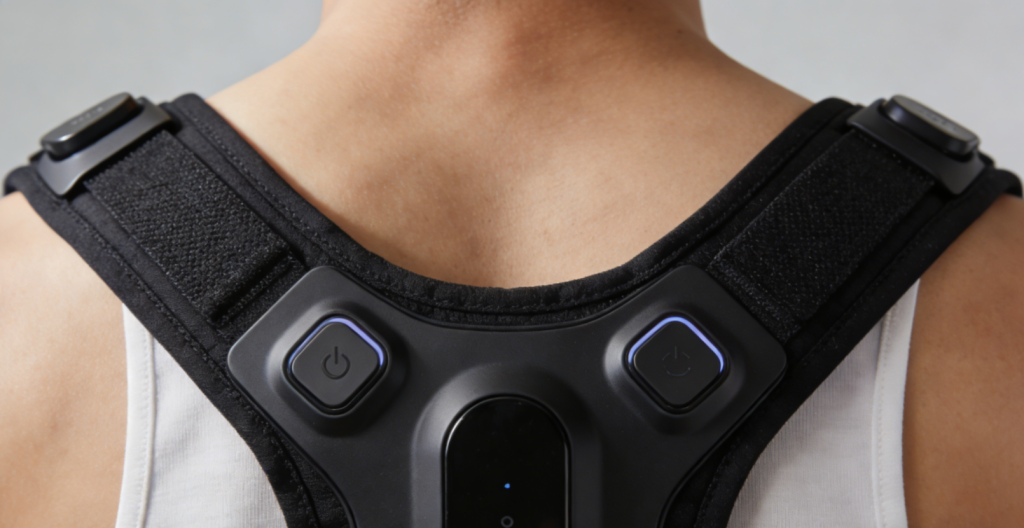
The global smart posture corrector market is witnessing robust growth, projected to reach a value of $4.87 billion by 2026 with a compound annual growth rate (CAGR) of 28.5% from 2021 to 2026. This surge is driven by a growing crisis of poor posture: over 80% of office workers spend more than 6 hours seated daily, while 70% of students endure 4-6 hours of sedentary activity—leading to a sharp rise in spinal issues and musculoskeletal pain across all age groups. 2026’s top smart posture correctors have evolved beyond rigid, uncomfortable braces—integrating ultra-sensitive sensors, AI-powered real-time feedback, and discreet wearable designs to gently guide alignment without restricting movement. These devices track spinal curvature, shoulder position, and muscle tension throughout the day, delivering personalized insights that turn temporary corrections into long-term healthy habits.
Gone are the days of one-size-fits-all posture aids that feel intrusive. Today’s smart correctors blend seamlessly into daily life: chest-worn devices weigh less than 30g, AI visual systems require no wearables at all, and app integration syncs data with health platforms for holistic wellness tracking. Whether you’re working at a desk, commuting, studying, or exercising, these tech-powered tools adapt to your lifestyle—providing subtle reminders and actionable tips to improve posture, reduce back pain, enhance breathing, and even boost confidence. Below, we break down the latest technological innovations, top 2026 models, and how to choose the right smart sensor posture corrector for your needs.
I. Core Technology: How Smart Sensors Transform Posture Correction 🎯
2026’s leading posture correctors leverage advanced sensing and AI to deliver intuitive, non-intrusive alignment support. Here are the key tech innovations defining the market:
- Precision Sensing Technology: Detecting Misalignment in Real Time 📡
The foundation of smart posture correction lies in sensors that accurately track body position without discomfort:
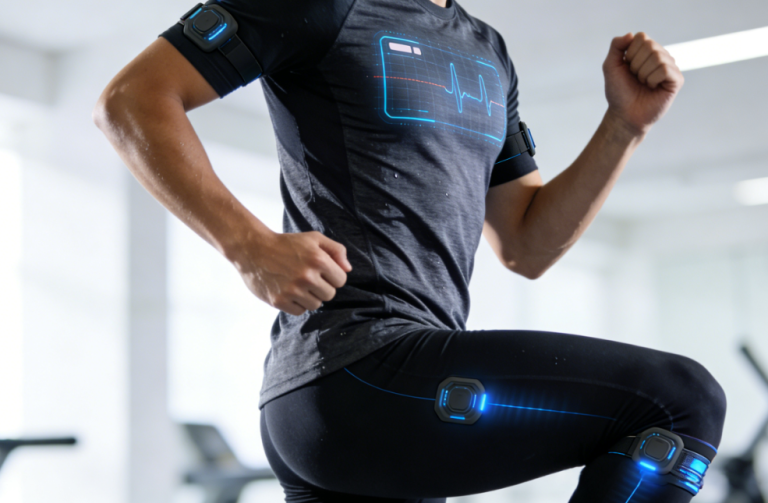
•Micro-Angle Sensors: Miniature patch-type angle sensors (e.g., YTJM-DSQ160TP-Q15) offer full-directional detection with high precision, triggering alerts when spinal curvature deviates beyond 15 degrees. These ultra-compact sensors (as small as 5mm) are embedded in soft fabrics, detecting slouching, hunching, or uneven shoulder alignment within milliseconds.
•AI Visual Recognition: Non-wearable systems use camera-based computer vision to analyze 24+ skeletal key points, eliminating the need for physical devices. These systems (similar to AI motion tracking in fitness tech) process data locally to protect privacy, delivering posture feedback via smartphone apps or connected devices.
•Pressure & Muscle Tension Sensors: Premium models integrate piezoelectric sensors to measure muscle strain in the upper back and shoulders, distinguishing between intentional movement (e.g., bending to pick something up) and unhealthy slouching to avoid false alerts. - Wireless Connectivity & Data Management 🔗
Smart correctors sync seamlessly with digital ecosystems to track progress and deliver insights:
•Bluetooth 5.3 Connectivity: Enables low-power, real-time sync with smartphones, smartwatches, and tablets—ensuring data is transmitted without draining the device’s battery. Most models support integration with Apple Health, Google Fit, and dedicated posture apps for centralized wellness tracking.
•Offline Data Storage: Top devices store 500-1,000 posture events locally, syncing automatically when reconnected to a device—ideal for users who work in areas with limited connectivity.
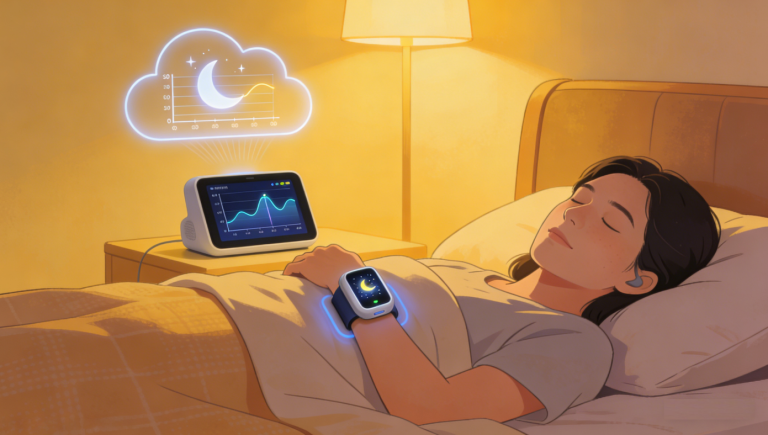
•Cloud-Based Analytics: Premium models offer cloud storage for long-term trend analysis, allowing users to visualize improvements over weeks or months and share data with physical therapists if needed. - AI-Powered Smart Features: Beyond Basic Reminders 🤖
Artificial intelligence elevates posture correction from reactive alerts to proactive habit-building:
•Adaptive Feedback: AI algorithms learn user behavior over time, adjusting alert sensitivity to avoid annoyance—for example, ignoring brief slouching during phone calls while flagging prolonged poor posture at the desk. Feedback methods include gentle vibration (most common), subtle LED lights, or app notifications.
•Personalized Improvement Plans: Apps generate tailored goals (e.g., “Increase upright time by 10% this week”) and deliver targeted exercises to strengthen core muscles that support good posture, such as shoulder stretches or lumbar activation drills.
•Multi-User Recognition: Family-friendly models automatically identify up to 6 users via usage patterns, storing separate data logs for adults, teens, and children—each with age-appropriate posture benchmarks.
•Contextual Awareness: Advanced models use location data or connected device activity to adjust sensitivity—e.g., increasing alert frequency during work hours and reducing it during exercise or relaxation. - Wearability & Design: Comfort for All-Day Use 🌟
Modern posture correctors prioritize comfort to ensure consistent use:
•Lightweight, Discreet Construction: Chest-worn devices weigh 20-30g (less than a deck of cards) and feature slim, breathable fabrics that fit under clothing without bulk. Some models use magnetic closures for easy adjustment and all-day comfort.
•Long Battery Life: Rechargeable lithium-ion batteries deliver 4-7 days of use per charge with daily wear, while fast-charging technology (30 minutes = 2 days of use) adds convenience.
•Skin-Friendly Materials: Hypoallergenic, moisture-wicking fabrics (often with anti-microbial coatings) prevent irritation even with extended wear, making them suitable for sensitive skin.
•Adjustable Fit: Elastic bands or adjustable straps accommodate chest sizes from 65cm to 120cm, ensuring a snug yet comfortable fit for teens and adults.
II. Top 6 Smart Sensor Posture Correctors of 2026 🏆 - PosturePulse AI Elite (Best Overall) ⭐
•Specs: Chest-worn design, 3-axis micro-angle sensors + muscle tension detection, Bluetooth 5.3, 7-day battery life (500+ posture events), adjustable fit (65-115cm chest), weight 22g, IP67 water resistance.
•Key Features: AI adaptive feedback, personalized exercise plans, multi-user support (6 profiles), Apple Health/Google Fit integration, 2-year warranty.
•Price: $149.99.
•Pros: Superior sensor accuracy, comfortable all-day wear, intuitive app with trend analysis, waterproof design for active lifestyles.
•Cons: Premium pricing compared to basic models.
•Best For: Office workers, frequent travelers, and anyone seeking comprehensive posture improvement. - VisionAlign Pro (Best AI Visual Corrector) 📹
•Specs: Non-wearable (camera-based), AI skeletal tracking (24 key points), Bluetooth 5.3 + Wi-Fi, compatible with iOS/Android, desktop app support, no battery required (powered by device).
•Key Features: Real-time on-screen posture overlays, privacy-focused local data processing, customizable alert thresholds, integration with video conferencing tools.
•Price: $99.99 (one-time purchase, no subscription).
•Pros: No physical wearables, ideal for desk-bound work, supports multiple devices, budget-friendly for tech-savvy users.
•Cons: Requires device camera access, less effective for mobile use.
•Best For: Remote workers, students, and anyone who prefers non-intrusive monitoring. - UBOT Kids Smart Corrector (Best for Children) 👶
•Specs: Chest-worn, kid-sized design (50-80cm chest), colorful interchangeable covers, Bluetooth 5.0, 5-day battery life, gentle vibration alerts, weight 18g.
•Key Features: Parental app monitoring, gamified posture challenges (earn badges for upright time), age-appropriate feedback, soft hypoallergenic fabric.
•Price: $79.99.
•Pros: Child-friendly design reduces resistance, parental oversight, durable for active kids, affordable.
•Cons: Basic sensor data, no muscle tension monitoring.
•Best For: Children ages 6-12, students, and parents seeking to build healthy posture habits early. - Lumo Lift 3 (Best Portable) 🏃♂️
•Specs: Clip-on design (attaches to clothing), 2-axis angle sensor, Bluetooth 5.3, 7-day battery life, 1,000 event storage, weight 12g, IP68 water resistance.
•Key Features: Ultra-discreet design, magnetic charging, customizable alert intensity, fitness mode integration (tracks posture during workouts).
•Price: $119.99.
•Pros: Lightest on the market, fits in pockets for travel, durable for all activities, easy to use.
•Cons: Less comprehensive than chest-worn models, no muscle tension tracking.
•Best For: Frequent travelers, busy professionals, and anyone who wants invisible posture support. - SpineSync AI (Best App Integration) 📱
•Specs: Chest-worn, 3-axis sensor + pressure mapping, Bluetooth 5.3, 6-day battery life, adjustable fit (60-120cm chest), weight 25g.
•Key Features: Award-winning app with 3D posture visualization, physical therapist-approved exercise library, medication reminder integration, cloud data backup.
•Price: $129.99.
•Pros: Detailed data insights, seamless health app integration, professional-grade guidance, user-friendly interface.
•Cons: Slightly heavier than clip-on models, app requires a short learning curve.
•Best For: Tech-savvy users, those with chronic back pain, and anyone prioritizing data-driven improvement. - PostureFix Basic (Best Budget Option) 💰
•Specs: Chest-worn, single-axis angle sensor, Bluetooth 5.0, 4-day battery life, 500 event storage, adjustable fit (65-110cm chest), weight 28g.
•Key Features: Simple vibration alerts, basic app with daily/weekly trends, no subscription fees, easy one-touch setup.
•Price: $49.99.
•Pros: Affordable entry point, core posture correction features, durable design, no tech expertise required.
•Cons: Limited sensor data, no advanced AI features.
•Best For: Budget-conscious users, first-time posture corrector buyers, and anyone needing basic alignment support.
III. Recommendations by User Need 🎭 - Office Workers & Remote Professionals 💼
•Top Pick: PosturePulse AI Elite + VisionAlign Pro (desk use)
•Why: PosturePulse offers all-day wearable support, while VisionAlign provides non-intrusive desk-based feedback—together covering in-office and mobile work scenarios, with AI adapting to long work sessions. - Children & Students 👨🎓
•Top Pick: UBOT Kids Smart Corrector + PostureFix Basic (backup)
•Why: UBOT’s gamified design engages kids, while PostureFix’s affordability makes it ideal for school use—both prioritize gentle reminders to build lifelong habits. - Frequent Travelers & On-the-Go Users ✈️
•Top Pick: Lumo Lift 3 + SpineSync AI (for extended trips)
•Why: Lumo’s ultra-portable clip-on design fits in carry-ons, while SpineSync’s long battery life and comprehensive app support posture tracking during travel—no charging needed mid-trip. - Chronic Back/Shoulder Pain Sufferers 🩹
•Top Pick: PosturePulse AI Elite + SpineSync AI
•Why: Both models offer muscle tension monitoring and physical therapist-approved exercises, with detailed data to identify pain triggers and track improvement over time. - Tech-Savvy Data Enthusiasts 📊
•Top Pick: SpineSync AI + VisionAlign Pro
•Why: SpineSync’s 3D visualization and cloud analytics deliver deep insights, while VisionAlign’s non-wearable tech adds versatility—both integrate seamlessly with health and productivity apps. - Budget-Conscious Users 💸
•Top Pick: PostureFix Basic + UBOT Kids Smart Corrector (for families)
•Why: PostureFix covers core needs at under $50, while UBOT’s affordable price makes it easy to equip multiple family members—no sacrificing quality for cost.
IV. How to Choose the Right Smart Sensor Posture Corrector 🛒 - Prioritize Core Technology & Accuracy
•Sensor Type: 3-axis sensors offer the most comprehensive tracking (ideal for chronic posture issues), while 1-2 axis sensors suffice for basic needs. AI visual systems are best for desk-bound users who dislike wearables.
•Accuracy: Look for devices that detect deviations as small as 10-15 degrees—avoid models with vague “slouch detection” that miss subtle misalignments.
•Feedback Method: Vibration is the most discreet and effective for all-day use; LED lights are better for desk settings, while app alerts work for low-movement activities. - Evaluate Wearability & Comfort
•Design Type: Chest-worn models offer full spinal tracking but require clothing compatibility; clip-on options are more discreet but track fewer data points. Non-wearable AI systems have no comfort constraints but limit mobility.
•Weight & Size: Choose models under 30g for all-day wear—heavier devices may cause irritation or be forgotten.
•Material: Opt for hypoallergenic, moisture-wicking fabrics if you have sensitive skin or plan to wear the corrector during exercise. - Assess App & Connectivity Features
•Data Insights: Look for apps that provide trend analysis (not just real-time alerts) to track long-term improvement. Advanced features like 3D visualization or exercise libraries add value for serious users.
•Integration: Ensure compatibility with your existing health apps (Apple Health, Google Fit) for centralized wellness tracking.
•Privacy: For AI visual systems, prioritize models with local data processing to protect personal information. - Consider Battery Life & Practicality
•Battery Duration: 4+ days of use per charge is ideal for convenience—avoid models that require daily charging.
•Charging Method: Magnetic or USB-C fast charging adds flexibility, especially for travelers.
•Durability: IP67+ water resistance ensures the device survives sweat, rain, or accidental spills. - Set a Realistic Budget
•Entry-Level ($30-$70): PostureFix Basic, basic sensor tracking, simple alerts, no advanced AI.
•Mid-Range ($70-$130): UBOT Kids, Lumo Lift 3, SpineSync AI, balanced features (accurate sensors + app insights).
•Premium ($130+): PosturePulse AI Elite, advanced sensors (muscle tension + 3-axis tracking), AI personalization, multi-user support. - Avoid Common Pitfalls
•Overpaying for Gimmicks: Skip features like “smart fabric” or “biometric tracking” if you only need posture correction—focus on sensor accuracy and comfort.
•Ignoring Fit: Ill-fitting correctors cause discomfort and inaccurate readings—measure your chest circumference and choose adjustable models.
•Subscription Traps: Select devices with free apps—avoid models requiring monthly fees for core features like data storage or basic alerts.
•Sacrificing Mobility: Rigid correctors may restrict movement and lead to non-use—opt for flexible, lightweight designs that adapt to your activities.
Conclusion
2026’s smart sensor posture correctors have redefined how we approach alignment, blending discreet design, advanced sensing, and AI-driven insights to make healthy posture effortless. From the all-day comfort of PosturePulse AI Elite to the non-intrusive convenience of VisionAlign Pro and the kid-friendly UBOT Kids, there’s a solution for every lifestyle and need. These devices don’t just correct posture temporarily—they build lasting habits by adapting to your behavior, providing personalized feedback, and integrating seamlessly into your daily routine.
The key to choosing the right corrector lies in matching sensor technology to your activity level, prioritizing comfort for consistent use, and selecting app features that align with your goals (whether it’s basic reminders or detailed health analytics). As the market evolves, future models will integrate 5G connectivity and AI-powered virtual physical therapy, further enhancing their ability to prevent spinal issues and improve overall wellness.
By investing in a smart sensor posture corrector, you’re not just buying a tech gadget—you’re investing in long-term spinal health, reduced pain, and enhanced quality of life. Whether you’re a busy professional, a student, a parent, or a frequent traveler, these devices empower you to take control of your posture, one gentle reminder at a time—turning alignment into a natural part of your day.
About the Author