Gone are the days of simple on-off light switches—smart lighting systems have revolutionized how we interact with light in our homes, offering unprecedented control over ambiance, energy usage, and even security. From customizable color temperatures to remote access via smartphone apps, these systems provide a level of flexibility that traditional lighting can’t match. In this article, we’ll explore how smart lighting transforms your home, the key features to look for, and how to choose the right system for your needs.
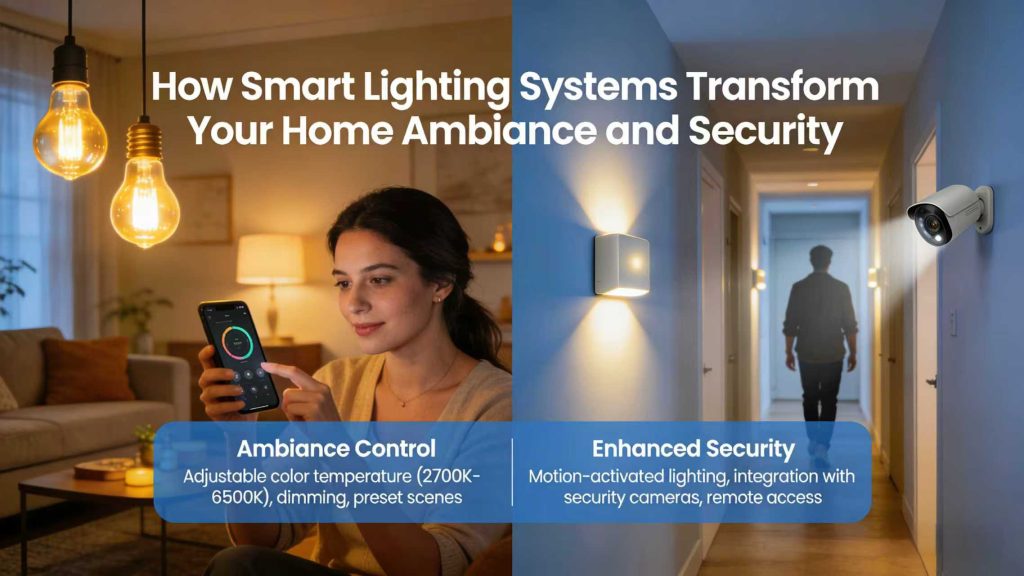
One of the most significant benefits of smart lighting is its ability to enhance home ambiance. Unlike traditional bulbs, smart lights allow you to adjust brightness, color, and even color temperature (from warm yellow to cool blue) to suit any mood or occasion. Hosting a dinner party? Set your lights to warm, dim tones for a cozy atmosphere. Working from home? Switch to cool, bright light to boost focus and productivity. Many systems, such as Philips Hue and LIFX, offer millions of color options, letting you create custom scenes—think “Movie Night” with dimmed lights and accent colors, or “Morning Boost” with bright, natural light to wake you up gently.
Beyond ambiance, smart lighting is a powerful tool for home security. With features like motion sensors, scheduled lighting, and remote access, you can deter burglars and make your home feel occupied even when you’re away. For example, you can set your lights to turn on and off at random intervals while on vacation, mimicking your daily routine. Some systems integrate with security cameras and doorbells—when motion is detected, your lights can flash or turn on automatically, alerting you and scaring off potential intruders. Additionally, smart lights with geofencing can detect when you’re on your way home and turn on the porch light or hallway lights, ensuring a safe entrance.
Energy efficiency is another key advantage of smart lighting. Most smart bulbs use LED technology, which consumes up to 80% less energy than incandescent bulbs and lasts significantly longer (up to 25,000 hours). Many systems also offer energy-monitoring features, allowing you to track how much electricity your lights use and identify ways to reduce waste. For example, you can set lights to turn off automatically when a room is empty (via motion sensors) or schedule them to turn off at a specific time—no more worrying about leaving lights on when you’re out.
When choosing a smart lighting system, there are several factors to consider. First, compatibility: Ensure the system works with your existing smart home ecosystem (e.g., Alexa, Google Assistant, Apple HomeKit). Second, installation: Some systems require a hub (like Philips Hue), while others are hubless (like LIFX), making them easier to set up. Third, control options: Look for systems that offer multiple ways to control your lights—via app, voice, motion sensors, or smart switches. Finally, scalability: Choose a system that allows you to add more lights or accessories (like light strips or smart switches) as your needs grow.
Popular smart lighting systems on the market include Philips Hue (known for its wide range of products and reliable performance), LIFX (hubless and easy to set up), Sylvania Smart+ (affordable and compatible with multiple platforms), and Nanoleaf (for unique, decorative lighting solutions like panel lights). Whether you’re looking to create a cozy atmosphere, boost security, or save energy, smart lighting has something to offer every homeowner.
In summary, smart lighting systems are more than just a trend—they’re a practical investment that enhances your home’s ambiance, improves security, and reduces energy costs. With so many options available, it’s easy to find a system that fits your budget and lifestyle. By making the switch to smart lighting, you’ll gain greater control over your home and enjoy a more comfortable, efficient living space.
About the Author