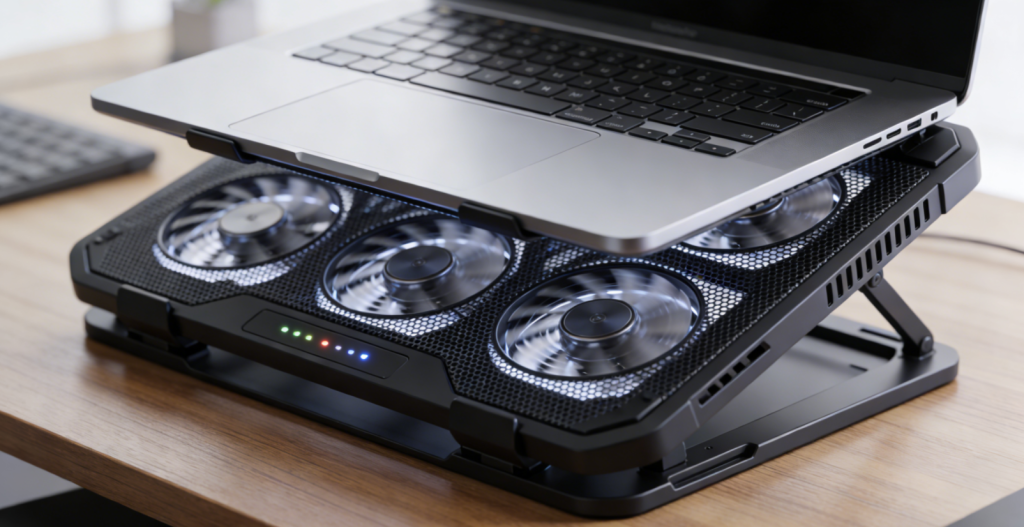
The global laptop cooling pad market is experiencing steady growth, valued at
4.5 billion in 2025 and projected to reach 6.4 billion by 2032 with a CAGR of 5.17%. This expansion is driven by rising demand for thermal management solutions—fueled by powerful yet compact laptops, prolonged gaming/streaming sessions, remote work, and 4K/8K content creation. In 2026, traditional fan-based cooling pads dominate with 78% market share, while emerging technologies like plasma actuators and vibration-based cooling capture 12% of premium segment revenue. Key players including Cooler Master, Thermaltake, Havit, and YPlasma (pioneer in plasma cooling) account for over 65% of global sales. Top trends include ultra-quiet operation, AI-powered speed adjustment, and integration with RGB ecosystems—with 57% of users prioritizing noise reduction over maximum cooling power.
2026 marks a transformative year for laptop cooling innovation: YPlasma’s DBD plasma actuators deliver fanless cooling with 17dB noise levels (quieter than a library whisper), AirJet’s vibration-based chips reduce thickness by 40%, and AI algorithms optimize airflow based on real-time CPU/GPU temperatures. Users face distinct tradeoffs: gamers prioritize high airflow (CFM) and RGB customization, while remote workers seek portability and silent operation. Below, we break down core technologies, top 2026 models, and tailored guidance to help you find the perfect cooling pad for intensive tasks.
I. Core Technology: Key Innovations & 2026 Breakthroughs ⚙️
Laptop cooling pads redefine thermal management by combining efficient heat dissipation with user-centric design, anchored by five defining technologies—cooling mechanisms, airflow optimization, material engineering, smart controls, and ergonomic features. Here’s how 2026’s offerings elevate these essentials:
1. Cooling Mechanisms: Efficiency & Noise Balance 🚀
| Cooling Type | Traditional Fan-Based | Plasma Actuator (Fanless) | Vibration-Based (AirJet) | Water-Assisted |
| Key Traits | 2-6 PWM fans (1000-2500 RPM), 30-80 CFM airflow, USB-powered | High-voltage plasma layer generates laminar airflow, 17-25dB noise | Piezoelectric film vibrates to push air, 20-30dB noise, 2mm thin | Passive water circulation in heat pipes, 15-20dB noise |
| Examples | Cooler Master MasterLiquid ML360, Havit HV-F2056 | YPlasma LapCool Pro, PlasmaTech X1 | AirJet Mini Pro, Thermaltake JetStream 10 | WaterCool WC-200, IceTech HydroPad |
| Best For | Gamers, content creators (4K editing) | Remote workers, library users, silent environments | Ultra-thin laptops (13-14 inch), frequent travelers | Workstations, 8K video rendering, overclocked laptops |
| Pros | High cooling capacity (drops temps by 15-25°C), affordable, widely compatible | Zero moving parts (2M+ MTBF for long-term reliability), ultra-quiet, slim design (fits in laptop sleeves) | Compact (10mm thickness), energy-efficient (2-3W), lightweight (400g max) | Maximum heat dissipation (drops temps by 20-30°C), near-silent operation |
| Cons | Noisy at max speed (45-60dB), bulkier (15-25mm thick) | Premium pricing ($150+), limited airflow (25-35 CFM) for heavy workloads | Less effective for 17-inch gaming laptops, lower CFM (30-40) | Heavy (1.2-2kg), requires refilling water every 8 hours, less portable |
2. Airflow Optimization: Targeted Heat Dissipation 📶
- Fan Technology:
- PWM (Pulse-Width Modulation) Fans: Adjustable RPM (Cooler Master ML360) lets you balance cooling and noise—low for office work, high for gaming.
- Reverse Rotation Fans: Alternating fan directions reduce turbulence (Thermaltake Level 20 GT) for smoother, more efficient airflow.
- 2026 Innovation: AI-Powered Fan Control (Havit AI-Cool 3000) uses laptop sensors to auto-adjust speed (1000-2200 RPM) based on real-time CPU/GPU temps—no manual tweaking needed.
- Air Distribution:
- Honeycomb Grids: 60% open area (Havit HV-F2056) ensures unobstructed airflow to laptop vents, avoiding hotspots.
- Directed Air Channels: Focus airflow on CPU/GPU cores (YPlasma LapCool Pro’s plasma strips align with laptop vent positions) for targeted cooling.
- Cooling Performance Metrics:
- CFM (Cubic Feet per Minute): 50+ CFM for gaming (Cooler Master ML360: 75 CFM) to handle 4K gaming, 30-40 CFM for office/remote work.
- Temperature Reduction: 15-25°C for fan-based models (critical for preventing throttling), 10-18°C for fanless options (sufficient for daily tasks).
3. Material & Design Engineering: Durability & Portability 🛡️
- Construction Materials:
- Aluminum Alloy: Heat-conductive base (Cooler Master ML360) dissipates 30% more heat than plastic, ideal for prolonged use.
- ABS Plastic: Lightweight (300-500g) for portable models (Havit HV-F2056: 380g) – easy to carry in backpacks.
- Silicone Grips: Prevents laptop slippage during intense gaming or typing (standard on all mid-range+ models).
- Form Factor Innovations:
- Foldable Design: 180° flat storage (AirJet Mini Pro: 10mm thick when folded) saves space in travel bags.
- Adjustable Height: 3-7 tilt angles (ergonomic wrist support) – Cooler Master ML360 offers 5 presets to reduce neck/back strain during 8-hour workdays.
- Ultra-Slim Profile: 7-12mm thickness (plasma/AirJet models) vs. 15-25mm for traditional fan pads – perfect for ultrabooks and tight workspaces.
4. Smart Controls & Connectivity 🔗
- Adjustment Interfaces:
- Physical Dials: Instant RPM control (Havit HV-F2056) – no app setup required for quick changes.
- RGB Software Integration: Sync with Razer Chroma/Corsair iCUE (Thermaltake Level 20 GT) for cohesive gaming setups.
- App-Based Control: Monitor temperatures and customize fan curves (YPlasma LapCool Pro app) – adjust settings remotely via smartphone.
- Power Options:
- USB-C PD: 10-20W power delivery (AirJet Mini Pro) charges your laptop while cooling – eliminates extra chargers for travelers.
- USB-A Passthrough: Extra port for peripherals (Cooler Master ML360 has 2 USB-A ports) – connect mice/keyboards without using laptop ports.
- 2026 Innovation: Bluetooth 5.4 Integration (YPlasma LapCool Pro) enables real-time temperature alerts and speed adjustments from your phone.
5. Ergonomic & Additional Features 🪑
- Comfort Enhancements:
- Built-In Wrist Rests: Memory foam padding (Thermaltake JetStream 10) reduces wrist fatigue during long coding or editing sessions.
- Anti-Slip Feet: Rubberized pads support laptops up to 17 inches without tipping – stable even on uneven café tables.
- Specialized Features:
- RGB Lighting: 16.8M color options (gaming models) with sync to laptop RGB – elevates setup aesthetics for streamers.
- Dust Filters: Removable mesh (all premium models) prevents dust buildup in fans – extends pad lifespan and maintains airflow.
- Overheat Protection: Auto-shuts down if internal temperature exceeds 60°C (water-assisted models) – prevents damage from leaks or blockages.
II. Top 2026 Laptop Cooling Pads: For Every Intensive Task 🏆
A. Best for Gamers 🎮
1. Cooler Master MasterLiquid ML360 (Best High-Performance) 🌟
- Specs: 3x 120mm PWM fans (1000-2200 RPM), 75 CFM airflow, aluminum base, 5 adjustable heights, RGB lighting.
- Key Features: AI fan control, Razer Chroma sync, 2 USB-A passthrough ports, fits 15-17 inch laptops.
- Price: $129.99.
- Pros: Cools CPU/GPU by 22-25°C (prevents throttling in Cyberpunk 2077 or Starfield), durable aluminum build, customizable RGB, quiet at medium speed (32dB – conversation-level).
- Cons: Bulky (24mm thick), heavy (850g – not travel-friendly), no USB-C.
- Best For: Gaming laptops (RTX 4070/4080), esports streamers, and overclocked systems needing maximum cooling.
2. Thermaltake Level 20 GT (Best RGB & Customization) 🎨
- Specs: 4x 100mm reverse-rotation fans (1200-2500 RPM), 65 CFM airflow, tempered glass top, 4 height settings.
- Key Features: Corsair iCUE sync, fan speed dial, dust filters, supports 13-17 inch laptops.
- Price: $99.99.
- Pros: Stunning RGB effects (16.8M colors) for streaming setups, balanced cooling/noise (35dB at max), easy-to-clean dust filters, versatile size compatibility.
- Cons: Lower CFM than Cooler Master ML360, plastic frame feels less premium than aluminum.
- Best For: RGB enthusiasts, casual gamers, and multi-platform streamers prioritizing aesthetics and flexibility.
B. Best for Content Creators 🎥
1. YPlasma LapCool Pro (Best Fanless & Silent) 🤫
- Specs: DBD plasma actuators, 35 CFM laminar airflow, 17dB noise (whisper-quiet), aluminum base, 3 height settings.
- Key Features: Bluetooth app control, temperature monitoring, fits 13-16 inch laptops, USB-C PD (15W).
- Price: $179.99.
- Pros: Ultra-quiet (ideal for voiceovers/audio editing), slim design (10mm – fits in laptop sleeves), 2M+ MTBF (reliable for studio use), cools 4K editing laptops (MacBook Pro 16-inch, Dell XPS 15) by 12-15°C.
- Cons: Premium price, less effective for 8K rendering or prolonged 3D modeling.
- Best For: Video editors (Premiere Pro/DaVinci Resolve), 3D designers, and studio environments where noise is a dealbreaker.
2. AirJet Mini Pro (Best Ultra-Thin) ✈️
- Specs: Vibration-based cooling chips, 40 CFM airflow, 25dB noise, 10mm thickness, 400g weight.
- Key Features: USB-C power, foldable design, fits 13-14 inch ultrabooks, energy-efficient (2.5W – saves laptop battery).
- Price: $89.99.
- Pros: Portable (fits in laptop sleeves/purses), silent operation (unnoticeable in coffee shops), works seamlessly with MacBooks and Windows ultrabooks, no moving parts to break.
- Cons: Limited to small laptops (13-14 inch), lower cooling capacity (10-12°C temp reduction – not for 8K work).
- Best For: On-the-go content creators, 13-inch MacBook Pro users, and remote video editors needing portable, quiet cooling.
C. Best for Business & Remote Workers 💼
1. Havit HV-F2056 (Best Budget & Portable) 💰
- Specs: 2x 120mm PWM fans (1000-1800 RPM), 45 CFM airflow, 28dB noise (library-quiet), ABS plastic, 2 height settings.
- Key Features: USB-A passthrough, plug-and-play (no software), fits 13-17 inch laptops, 380g weight.
- Price: $29.99.
- Pros: Extremely affordable (fits tight budgets), lightweight (easy to carry to offices/cafés), quiet for Zoom calls, durable enough for daily use.
- Cons: Basic design (no RGB/smart features), limited height adjustment.
- Best For: Remote workers, students, and budget-conscious users needing reliable cooling for all-day meetings, spreadsheets, and web browsing.
2. IceTech HydroPad (Best for Heavy Workloads) 💪
- Specs: Water-assisted heat pipes, 20 CFM airflow, 18dB noise (near-silent), aluminum base, 5 height settings.
- Key Features: Overheat protection, large surface area (fits 15-17 inch laptops), USB-C power.
- Price: $119.99.
- Pros: Cools workstations by 18-20°C (perfect for data analysts/developers running virtual machines), silent (won’t disrupt meetings), ergonomic height settings for long workdays.
- Cons: Heavy (1.2kg – not travel-friendly), requires water refills every 8 hours.
- Best For: Data analysts, software developers, and professionals using laptops for heavy workloads (virtual machines, code compilation) in fixed workspaces.
D. Best for Budget-Conscious Users 📚
1. Amazon Basics Cooling Pad (Best Entry-Level) 🎯
- Specs: 2x 80mm fans (1200 RPM), 30 CFM airflow, 32dB noise, plastic base, 1 height setting.
- Key Features: Plug-and-play, fits 13-15 inch laptops, USB-A power.
- Price: $19.99.
- Pros: Ultra-cheap (great for students), reliable for basic tasks (web browsing, document editing), lightweight (300g – easy to carry to class).
- Cons: Low cooling capacity (5-8°C temp reduction – not for gaming/editing), noisy at max speed (32dB).
- Best For: Students, casual users, and owners of older laptops prone to overheating during light use.
2. Anker PowerCore Cool (Best Value for Money) 💸
- Specs: 3x 100mm PWM fans (1000-1600 RPM), 40 CFM airflow, 30dB noise, ABS plastic with aluminum grille.
- Key Features: 3 height settings, USB-A passthrough, fits 13-17 inch laptops.
- Price: $39.99.
- Pros: Balanced cooling/price (40 CFM for $40), durable design (aluminum grille resists scratches), quieter than Amazon Basics (30dB vs. 32dB), versatile size support.
- Cons: No RGB, basic manual controls.
- Best For: Freelancers, home office workers, and anyone needing reliable cooling on a budget without sacrificing performance.
III. Scenario-Based Recommendations 🎭
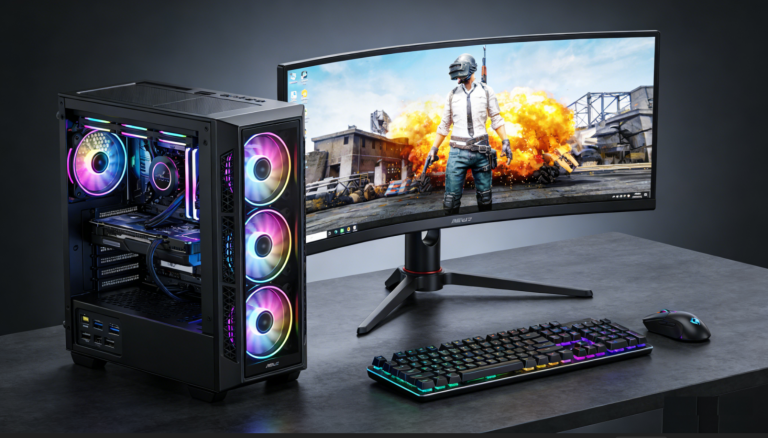
1. Gaming Laptops (RTX 4070/4080 + 17-Inch) 🎮
- Top Pick: Cooler Master ML360 + RGB Controller + Laptop Stand
- Why: 75 CFM airflow handles intense 4K gaming (Cyberpunk 2077, Elden Ring) without throttling—critical for maintaining high framerates. The RGB controller syncs with your laptop’s lighting for a cohesive setup, and the stand elevates the pad to improve bottom airflow. Reduces CPU temp by 25°C during 4-hour gaming marathons, extending laptop lifespan.
2. 4K Video Editing (MacBook Pro 16-Inch) 🎥
- Top Pick: YPlasma LapCool Pro + USB-C PD Charger + Noise-Canceling Headphones
- Why: 17dB silent operation won’t interfere with voiceovers or audio editing (essential for studio work). USB-C PD charges the MacBook while cooling, eliminating extra cables. Plasma actuators prevent overheating during 4K exports (Premiere Pro) and 3D rendering, keeping your laptop running at full speed. Noise-canceling headphones block ambient sound, while the pad’s slim design fits on studio desks.
3. Remote Work (13-Inch Ultrabook + Coffee Shop Use) 💼
- Top Pick: Havit HV-F2056 + Portable USB Power Bank + Laptop Sleeve
- Why: Lightweight (380g) fits in laptop sleeves for commuting, and 28dB noise is unobtrusive in public spaces (no stares during Zoom calls). The power bank enables use without outlets—perfect for all-day café work. 45 CFM airflow prevents overheating during spreadsheet marathons and video meetings, while the USB-A passthrough lets you connect a wireless mouse without using your laptop’s only port.
4. 8K Rendering (Workstation Laptop) 🖌️
- Top Pick: IceTech HydroPad + External Water Reservoir + Ergonomic Wrist Rest
- Why: Water-assisted cooling reduces CPU temp by 20°C during 8K rendering (DaVinci Resolve)—prevents throttling that slows down project delivery. The external reservoir eliminates frequent water refills (lasts 24 hours), and the wrist rest enhances comfort for 6+ hour editing sessions. 18dB noise is silent enough for focus work, and the aluminum base dissipates heat evenly across the laptop’s bottom.
5. Budget Gaming (15-Inch Laptop + Casual Play) 🎮
- Top Pick: Anker PowerCore Cool + Laptop Cooling Pad Dust Cover + USB-A Extension Cable
- Why: 40 CFM airflow handles casual games (Fortnite, Minecraft) without throttling—no more lag during matches. The dust cover protects fans from debris when stored, extending the pad’s lifespan, and the extension cable solves port accessibility issues (many gaming laptops have ports on the back). At $40, it’s affordable for students or casual gamers, and the 3 height settings reduce wrist strain during long play sessions.
IV. How to Choose: Key Factors for Every User 🛒
1. Define Your Primary Use Case
- Gaming: Prioritize high CFM (50+), PWM fans (adjustable RPM), and compatibility with 15-17 inch laptops—cooling power to handle 4K gaming and overclocking.
- Content Creation: Focus on silent operation (≤30dB), slim design (for portability), and support for ultrabooks/MacBooks—noise reduction is critical for audio work, and portability fits on-location shoots.
- Remote Work: Seek portability (≤500g), quiet operation (≤35dB), and USB-C power (for modern laptops)—easy to carry, unobtrusive in public spaces, and works with your ultrabook’s ports.
- Budget Use: Opt for 2-3 fan models ($20-$40) with basic cooling (30-40 CFM) for web browsing/office tasks—affordable reliability without extra features.
2. Choose the Right Cooling Type
- Fan-Based: Best for gaming/content creation (high CFM, affordable)—ideal if noise isn’t a dealbreaker (e.g., gaming in a dedicated room).
- Plasma/AirJet (Fanless): Perfect for silent environments (studios, libraries)—worth the premium for noise reduction when you can’t tolerate fan hum.
- Water-Assisted: For extreme workloads (8K rendering, overclocking)—choose if portability isn’t a priority and you need maximum cooling.
3. Set a Realistic Budget
- $20-$40: Entry-level (Amazon Basics, Havit HV-F2056): 2-3 fans, 30-45 CFM, basic design—great for students and casual users.
- $40-$100: Mid-range (Anker PowerCore Cool, AirJet Mini Pro): PWM fans/silent tech, 30-65 CFM, extra features (USB passthrough)—balanced performance and value.
- $100+: Premium (Cooler Master ML360, YPlasma LapCool Pro): High CFM/fanless tech, RGB, smart controls, durable materials—top-tier cooling for professionals and enthusiasts.
4. Must-Have Features
- All Users: Laptop size compatibility (measure your laptop’s width/depth before buying), adjustable height (ergonomic comfort), and USB power (USB-C preferred for future-proofing).
- Gamers: 50+ CFM, RGB sync, dust filters, and support for 17-inch laptops—cooling power and aesthetics for gaming setups.
- Content Creators: ≤30dB noise, slim design (≤15mm), and temperature monitoring—silence for audio work and portability for travel.
- Remote Workers: ≤500g weight, foldable design, and USB passthrough (for peripherals)—easy to carry and functional for daily meetings.
5. Avoid Common Mistakes
- Ignoring Laptop Size: A 17-inch cooling pad will waste space/airflow for a 13-inch ultrabook—match the pad’s size to your laptop for optimal cooling.
- Prioritizing Fan Quantity Over CFM: A 2-fan pad with 50 CFM cools better than a 4-fan pad with 30 CFM—CFM (airflow) is more important than fan count.
- Sacrificing Noise for Cooling: A 60dB pad will be unbearable in offices/studios—aim for ≤35dB for daily use, ≤30dB for silent environments.
- Overlooking Portability: A heavy pad (≥800g) is impractical for frequent travel—choose ≤500g if you carry it in a backpack.
- Forgetting Accessories: Budget for dust filters (prolongs fan life), USB-C adapters (for older laptops), and carrying cases (for portable models)—accessories enhance usability and lifespan.
Conclusion
2026’s laptop cooling pads have evolved from basic accessories to specialized tools, blending powerful heat dissipation with user-centric design. The Cooler Master MasterLiquid ML360 dominates for gaming and extreme workloads, the YPlasma LapCool Pro excels in silent studio environments, and the Havit HV-F2056 offers unbeatable value for budget users.
The key to choosing wisely lies in aligning cooling capacity, noise levels, and portability with your workflow: gamers need high CFM and RGB; content creators prioritize silence and slimness; and remote workers seek lightweight, quiet solutions. As plasma and vibration-based technologies mature, cooling pads will continue to redefine thermal management—turning overheating laptops into reliable workhorses for intensive tasks.
Whether you’re gaming for hours, editing 4K videos, or working remotely, the best cooling pad is the one that adapts to your needs. By focusing on your use case, budget, and must-have features, you’ll find a solution that doesn’t just prevent overheating—it enhances performance, extends laptop lifespan, and keeps you productive, no matter how intensive the task.
About the Author