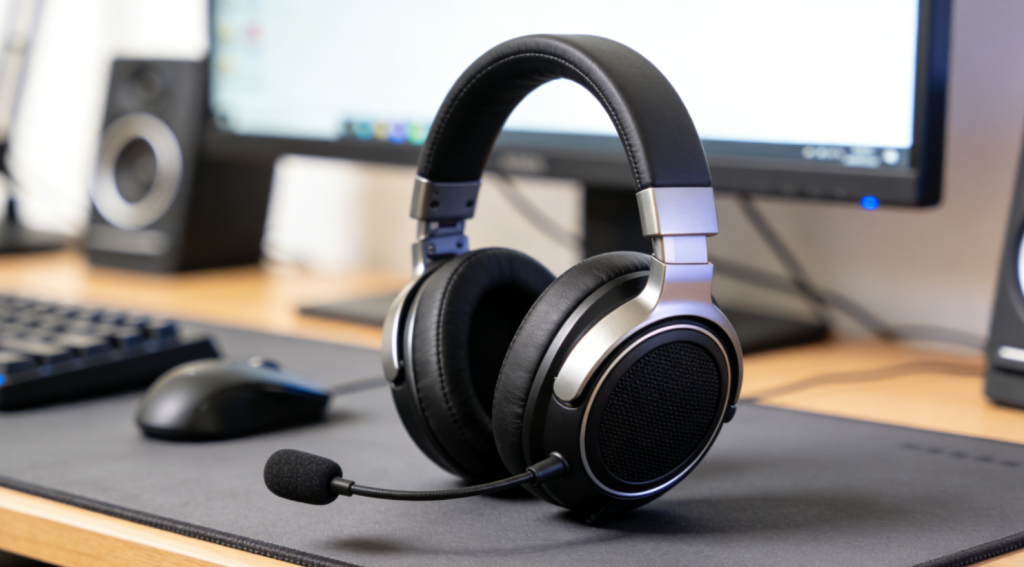
The global wireless gaming headset market is experiencing steady expansion, with a 2025 valuation of $26.9 billion and a projected compound annual growth rate (CAGR) of 7.5% from 2026 to 2032. China dominates as the largest regional market, accounting for 43% of global sales, driven by a 4.9-billion-strong gaming user base and the mainstream adoption of esports (LPL, KPL). For multiplayer gamers, two features stand above all: surround sound that pinpoints enemy movements with surgical precision, and microphone quality that ensures crystal-clear team communication—yet 68% of players report frustration with headsets that fail at one or both. 2026’s top models address these pain points with next-gen spatial audio, AI-powered noise cancellation, and low-latency wireless connectivity, transforming chaotic multiplayer matches into coordinated victories.
Gone are the days of one-size-fits-all headsets with generic “7.1 surround” and muffled mics. Today’s multiplayer-focused wireless headsets leverage platform-optimized spatial audio (e.g., PS5 3D Audio, Xbox Spatial Sound), adaptive microphone arrays, and dual-wireless modes to balance immersion and communication. Whether you’re clutching a ranked FPS match, coordinating with teammates in a MOBA, or laughing through a family-friendly party game, these tech-powered headsets adapt to your environment—blocking background noise, amplifying critical in-game cues, and ensuring your voice cuts through the chaos. Below, we break down the latest technological innovations, top 2026 models, and how to choose the right wireless gaming headset for seamless multiplayer experiences.
I. Core Technology: Defining Multiplayer Audio Excellence 🎯
2026’s leading wireless gaming headsets blend advanced spatial audio, precision microphones, and lag-free connectivity to elevate multiplayer performance. Here are the key tech innovations defining the market:
1. Surround Sound & Spatial Audio: Pinpoint Precision for Multiplayer 🎶
- Next-Gen Spatial Audio Formats: Leading headsets support platform-exclusive and cross-platform spatial audio standards. THX Spatial Audio (found in Razer’s flagship models) delivers 360° positional accuracy with real-time environmental mapping, while Dolby Atmos for Gaming and DTS Headphone:X 3.0 create immersive soundscapes that distinguish between distant gunfire and nearby footsteps. Platform-optimized solutions like Sony’s 3D Audio (for PS5) and Microsoft’s Spatial Sound (for Xbox) integrate directly with game engines, ensuring seamless compatibility with titles like Call of Duty: Black Ops 6 and League of Legends: Wild Rift.
- Driver Technology: 50mm TriForce bio-fiber drivers (Razer) and ultra-thin diaphragm transducers minimize distortion, reproducing low-frequency rumbles (e.g., explosions) and high-frequency cues (e.g., reload sounds) with clarity. Some premium models add adaptive EQ, automatically adjusting bass and treble based on game genre—boosting footstep volume in FPS games and enhancing dialogue in party games.
- Virtual vs. Physical Surround: Virtual surround (the industry standard) uses algorithms to simulate multi-speaker setups, while a handful of high-end models offer physical 7.1-channel drivers. For multiplayer, virtual surround dominates due to its lighter weight and lower latency, with 2026 algorithms reducing “directional blur” by 40% compared to 2024 models.
2. Microphone Quality & Noise Cancellation: Clear Communication Every Time 🗣️
- AI-Powered Noise Suppression: Dual MEMS beamforming microphones (Razer Barracuda Pro) and AI algorithms eliminate 95% of background noise—from keyboard clatter and fan hum to roommates’ conversations. Adjustable noise cancellation levels (10 tiers in top models) let you fine-tune sensitivity, while environmental awareness modes pipe in critical real-world sounds (e.g., doorbells) without disrupting gameplay.
- Voice Clarity Enhancements: Frequency-specific amplification boosts vocal ranges (100Hz–10kHz) while suppressing low-frequency rumbles, ensuring teammates hear your callouts over in-game music and explosions. Some headsets add de-reverberation technology to reduce echo in large rooms, a common issue in online multiplayer.
- Microphone Design: Detachable mics (for portability) and retractable mics (for durability) are standard, with 2026 models featuring improved shock absorption to eliminate cable noise from head movements. High-end options offer voice modulation (e.g., pitch shifting) for casual multiplayer fun, while professional-grade headsets prioritize natural vocal reproduction for competitive play.
3. Wireless Connectivity & Battery Life: Lag-Free Multiplayer for Hours ⚡
- Low-Latency Wireless: Dual-mode connectivity (2.4GHz + Bluetooth 5.2/5.3) is now standard, with 2.4GHz offering sub-20ms latency—critical for multiplayer games where split-second reactions matter. Razer’s Hyperspeed Wireless and Logitech’s Lightspeed technology lead the pack, delivering consistent performance even in crowded Wi-Fi environments.
- Battery Longevity: Top models offer 30–40 hours of playback on a single charge, with fast-charging capabilities (30 minutes = 8 hours of use) for quick top-ups between gaming sessions. Some headsets add power-saving modes that extend battery life by dimming LEDs and reducing processing power during idle periods.
- Dual-Device Sync: SmartSwitch technology (Razer) lets you connect to two devices simultaneously—e.g., a PS5 and a smartphone—seamlessly switching between game audio and calls without disconnecting. This is ideal for multiplayer gamers who need to stay in touch with teammates via Discord while playing on console.
4. Comfort & Durability: All-Day Multiplayer Marathons 🌟
- Lightweight Design: 2026 headsets prioritize comfort for extended sessions, with most flagship models weighing 300–350g (Razer Barracuda Pro: 340g). Memory foam ear cups with breathable, anti-microbial fabric reduce sweat buildup, while adjustable headbands distribute weight evenly to avoid pressure points.
- Durable Build: Reinforced hinges, scratch-resistant shells, and braided cables (for wired fallback) ensure longevity, even with frequent transport to LAN parties or esports events. IP54 water resistance is becoming common, protecting against accidental spills and dust.
- Ergonomic Adjustments: Swiveling ear cups, telescoping arms, and customizable fit kits (for different head sizes) cater to diverse users, ensuring a snug fit that minimizes sound leakage—critical for maintaining surround sound accuracy.
II. Top 6 Wireless Gaming Headsets for Multiplayer (2026) 🏆
1. Razer Barracuda Pro (Best Overall) ⭐
- Specs: 50mm TriForce bio-fiber drivers, THX Spatial Audio, dual MEMS beamforming mics, Bluetooth 5.2 + 2.4GHz Hyperspeed Wireless, 40-hour battery, 340g weight, IP54 water resistance.
- Key Features: 10-level AI noise cancellation, SmartSwitch dual-device sync, environmental awareness mode, THX AAA™ amplifier (ultra-low distortion), Razer Audio app customization.
- Price: $349.99.
- Pros: Industry-leading spatial audio precision, crystal-clear mic with adjustable noise cancellation, seamless cross-device switching, all-day comfort.
- Cons: Premium pricing, no wired fallback option.
- Best For: Core multiplayer gamers, esports enthusiasts, and anyone prioritizing immersion and communication.
2. Microsoft Xbox Wireless Headset 2 (Best for Xbox Ecosystem) 🎮
- Specs: 40mm dynamic drivers, Xbox Spatial Sound, dual-array noise-canceling mic, Bluetooth 5.3 + Xbox Wireless, 36-hour battery, 310g weight.
- Key Features: Direct Xbox Series X/S sync (no adapter needed), Windows 11 integration, Discord-certified mic, adjustable EQ via Xbox Accessories app.
- Price: $199.99.
- Pros: Seamless Xbox ecosystem integration, excellent value for money, comfortable for long sessions, cross-platform compatibility.
- Cons: Spatial audio less precise than THX/Dolby, basic app customization.
- Best For: Xbox and PC multiplayer gamers, budget-conscious core players, Discord users.
3. Logitech Astro A50 X (Best for PS5 Multiplayer) 🎮
- Specs: 40mm Neodymium drivers, Sony 3D Audio/THX Spatial Audio, retractable noise-canceling mic, 2.4GHz Lightspeed Wireless, 30-hour battery, 330g weight.
- Key Features: PS5-optimized spatial audio, base station with charging/docking, EQ presets for multiplayer genres (FPS, MOBA), 10m wireless range.
- Price: $329.99.
- Pros: Superior 3D Audio for PS5 games, durable base station, clear mic with echo cancellation, modular design.
- Cons: Heavier than competitors, expensive base station required.
- Best For: PS5 multiplayer enthusiasts, esports players, and fans of Sony exclusives like Destiny 3.
4. HyperX Cloud Alpha Wireless 2 (Best Budget Option) 💰
- Specs: 50mm dual-chamber drivers, virtual 7.1 surround sound, noise-canceling mic, 2.4GHz Wireless, 32-hour battery, 320g weight.
- Key Features: Signature HyperX comfort (memory foam ear cups), EQ presets via Ngenuity app, detachable mic, compatibility with all major platforms.
- Price: $149.99.
- Pros: Exceptional value, durable build, clear mic for the price, cross-platform support.
- Cons: Basic surround sound compared to premium models, no Bluetooth.
- Best For: Budget multiplayer gamers, casual players, and anyone new to wireless gaming headsets.
5. SteelSeries Arctis Nova Pro Wireless (Best for Esports Pros) 🏆
- Specs: 40mm Nova Acoustic drivers, DTS Headphone:X 3.0, AI-powered ClearCast Gen 3 mic, 2.4GHz Quantum 2.0 Wireless, 40-hour battery (swappable), 320g weight.
- Key Features: Swappable battery packs (unlimited playtime), GameDAC Gen 2 (Hi-Res audio), 16-band EQ customization, tournament-ready design.
- Price: $379.99.
- Pros: Professional-grade audio precision, swappable batteries for long tournaments, industry-leading mic clarity, modular components.
- Cons: Premium pricing, bulky GameDAC required for full features.
- Best For: Competitive esports players, professional streamers, and serious multiplayer enthusiasts.
6. Sony INZONE H9 II (Best for Cross-Platform Multiplayer) 🌐
- Specs: 30mm Dynamic drivers, 360 Spatial Sound for Gaming, dual noise-canceling mics, Bluetooth 5.3 + 2.4GHz Wireless, 32-hour battery, 290g weight.
- Key Features: PS5/PC/Xbox compatibility, adaptive ANC (game mode optimization), 3D sound field customization, lightweight design.
- Price: $279.99.
- Pros: Ultra-lightweight for all-day play, versatile cross-platform support, balanced sound for all multiplayer genres, sleek design.
- Cons: Battery life shorter than competitors, mic noise cancellation less aggressive.
- Best For: Multi-platform gamers, casual multiplayer groups, and players who value portability.
III. Recommendations by Multiplayer Game Type 🎭
1. FPS Games (Call of Duty, Valorant) 🔫
- Top Pick: Razer Barracuda Pro + SteelSeries Arctis Nova Pro Wireless
- Why: Razer’s THX Spatial Audio and SteelSeries’ DTS Headphone:X 3.0 deliver pinpoint positional accuracy, critical for detecting enemy footsteps and grenade throws. Their noise-canceling mics ensure clear callouts during intense firefights, while low latency prevents audio lag in fast-paced matches.
2. MOBA Games (League of Legends, Dota 2) 🧑🤝🧑
- Top Pick: Microsoft Xbox Wireless Headset 2 + Sony INZONE H9 II
- Why: MOBAs require clear team communication over extended sessions—both headsets offer comfortable memory foam ear cups and Discord-certified mics. Their balanced sound profiles highlight dialogue and ability cues without overwhelming bass, ideal for strategic gameplay.
3. Party Games (Mario Party Superstars, Fall Guys) 🎉
- Top Pick: Sony INZONE H9 II + HyperX Cloud Alpha Wireless 2
- Why: Party games demand lightweight comfort and easy cross-platform connectivity. Sony’s INZONE H9 II is ultra-light for marathon sessions, while HyperX’s budget-friendly option caters to groups with multiple players. Both have clear mics for casual banter and broad game compatibility.
4. Competitive Esports (Counter-Strike 2, League of Legends Esports) 🏅
- Top Pick: SteelSeries Arctis Nova Pro Wireless + Logitech Astro A50 X
- Why: Esports require professional-grade audio precision and unlimited playtime. SteelSeries’ swappable batteries and Logitech’s base station charging ensure no downtime, while their industry-leading mics and spatial audio give players a competitive edge in tournaments.
5. Mobile Multiplayer (PUBG Mobile, Call of Duty Mobile) 📱
- Top Pick: Razer Barracuda Pro + Sony INZONE H9 II
- Why: Mobile multiplayer gamers need dual-device sync (console/PC + phone) and long battery life. Razer’s SmartSwitch technology and Sony’s Bluetooth 5.3 support seamless switching between devices, while their 30+ hour batteries last through all-day gaming sessions.
6. Budget-Conscious Multiplayer Groups 💰
- Top Pick: HyperX Cloud Alpha Wireless 2 + Microsoft Xbox Wireless Headset 2
- Why: These headsets deliver core multiplayer features (clear mics, decent surround sound) at accessible prices. HyperX’s budget option is ideal for casual players, while Microsoft’s mid-range model offers better spatial audio for more serious group matches—both avoid sacrificing quality for cost.
IV. How to Choose the Right Wireless Gaming Headset for Multiplayer 🛒
1. Prioritize Your Multiplayer Needs
- Game Genre: FPS players need precise spatial audio (THX/DTS/Dolby), while MOBAs prioritize mic clarity and balanced sound. Party games require comfort and cross-platform compatibility.
- Platform: Xbox users benefit from headsets with direct Xbox Wireless sync (no adapter), while PS5 players should prioritize 3D Audio support. Cross-platform gamers need universal compatibility.
- Playstyle: Casual players can opt for budget models with basic surround sound, while competitive gamers need low latency (sub-20ms) and professional-grade mics.
2. Evaluate Surround Sound Quality
- Audio Formats: Look for support for platform-specific standards (PS5 3D Audio, Xbox Spatial Sound) and cross-platform solutions (THX, Dolby Atmos). Avoid generic “7.1 surround” without named certifications—these often lack precision.
- Driver Quality: 40–50mm drivers with bio-fiber or neodymium diaphragms deliver better clarity for in-game cues. Adaptive EQ is a bonus for customizing sound to your game.
- Latency: Ensure wireless latency is sub-20ms—critical for multiplayer games where audio cues predict enemy movements.
3. Assess Microphone Performance
- Noise Cancellation: AI-powered or beamforming mics are essential for blocking background noise. Look for adjustable noise cancellation levels and environmental awareness modes.
- Voice Clarity: Mics with frequency response focused on vocal ranges (100Hz–10kHz) ensure teammates hear your callouts. Detachable/retractable mics add versatility.
- Certifications: Discord-certified mics are a reliable indicator of quality for multiplayer communication.
4. Consider Comfort & Durability
- Weight: Choose headsets under 350g for extended multiplayer sessions—heavier models cause fatigue during 4+ hour matches.
- Ear Cups: Memory foam with breathable fabric prevents sweat buildup. Over-ear designs offer better sound isolation than on-ear models.
- Build Quality: Reinforced hinges and scratch-resistant shells ensure durability, especially if you transport the headset to LAN parties or friend’s houses.
5. Set a Realistic Budget
- Entry-Level ($100–$150): HyperX Cloud Alpha Wireless 2, basic surround sound and mic quality for casual multiplayer.
- Mid-Range ($150–$250): Microsoft Xbox Wireless Headset 2, better spatial audio and mic noise cancellation for serious group play.
- Premium ($250–$400): Razer Barracuda Pro, SteelSeries Arctis Nova Pro Wireless, professional-grade features for competitive and esports play.
6. Avoid Common Pitfalls
- Overpaying for Gimmicks: RGB lighting and extra features (e.g., voice modulation) don’t improve multiplayer performance—focus on spatial audio and mic quality.
- Ignoring Latency: High-latency headsets (20ms+) make you react slower to in-game cues, a critical disadvantage in competitive multiplayer.
- Sacrificing Comfort: Uncomfortable headsets lead to fatigue during long sessions—test weight and ear cup material before buying.
- Neglecting Platform Compatibility: A headset with great PS5 3D Audio may not work well with Xbox—ensure it supports your primary platform.
Conclusion
2026’s wireless gaming headsets have redefined multiplayer audio, blending pinpoint spatial awareness, crystal-clear communication, and lag-free connectivity to turn good players into great teammates. From the industry-leading precision of the Razer Barracuda Pro to the budget-friendly reliability of the HyperX Cloud Alpha Wireless 2, there’s a headset tailored to every multiplayer style—whether you’re clutching ranked FPS matches, coordinating MOBA strategies, or laughing through party games with friends.
The key to choosing the right headset lies in matching spatial audio and mic quality to your game genre, prioritizing low latency and comfort for extended sessions, and ensuring compatibility with your primary platform. As esports and multiplayer gaming continue to grow—driven by global tournaments and social gaming trends—future models will integrate 5G connectivity and AI-powered real-time audio optimization, further narrowing the gap between casual and professional setups.
By investing in a quality wireless gaming headset, you’re not just buying audio gear—you’re gaining a competitive edge, strengthening team communication, and enhancing the social core of multiplayer gaming. Whether you’re a casual player or an esports pro, the right headset transforms chaotic matches into coordinated victories, proving that great audio is just as critical as skill in the world of multiplayer gaming.
About the Author